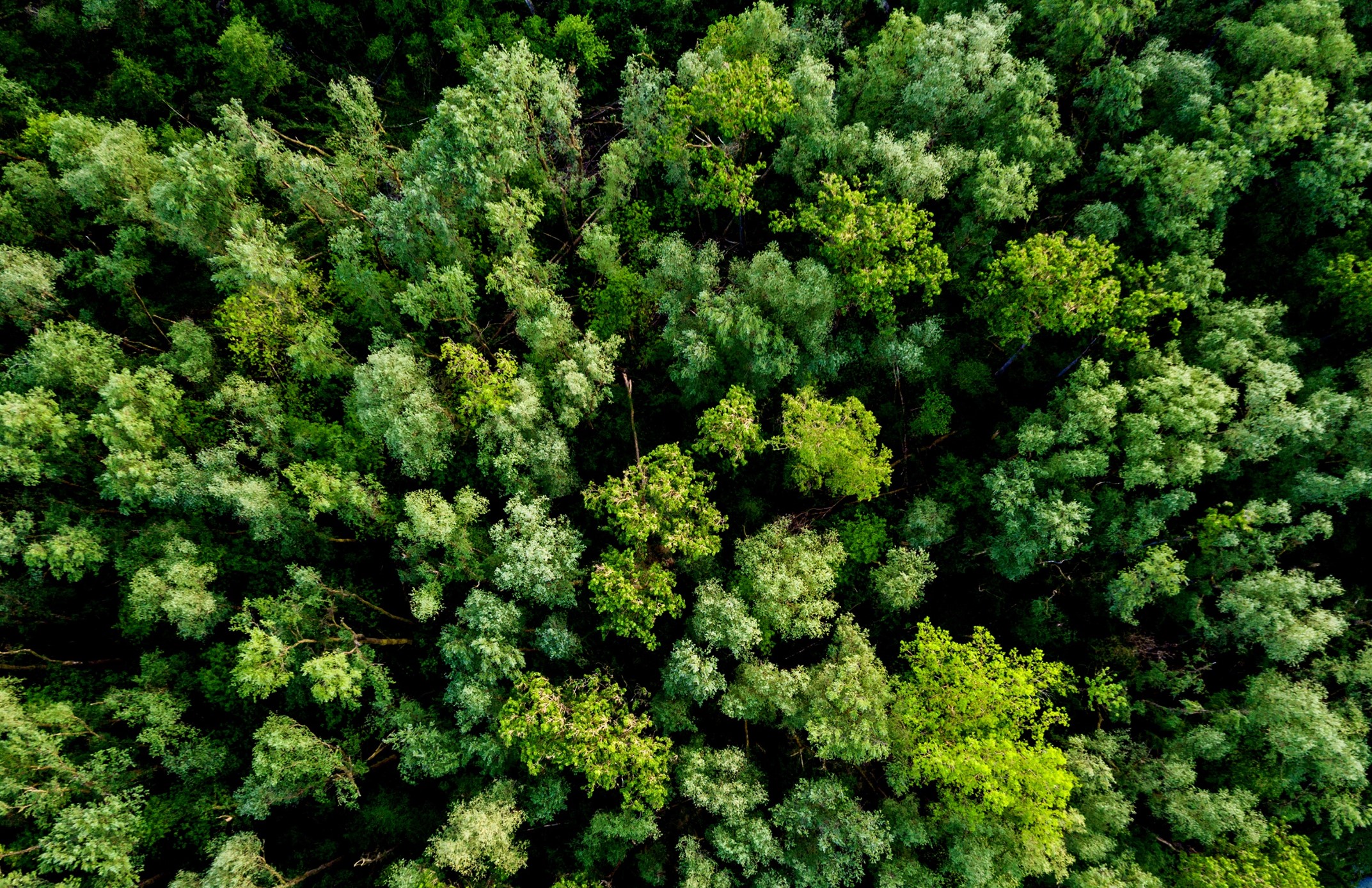
Every tree in the forest has the best wood for some purpose. White oaks make wonderful warships but terrible model ones. Balsas do the opposite.
This is one of the lessons I try to convey to students when they’re talking about what they want to do with their lives. Theologically this is called vocation. Vocation has two foci: the law of God, and the creativity and subjectivity of human creatures. It has to do with law because law names the way that God thinks about the creation, or his intentions for it. God wills that the creation be justly ordered. So the law says don’t lie, don’t kill, don’t steal, and so forth. In my theological tradition, you go a step further and say that lying, killing and theft are wrong because truth, life and having enough are utterly good things. So the law is about showing you what the good things are.
And creativity comes into it because of human freedom. You have a creaturely possibility to work with the goods of the world. You can write a poem that shows some aspect of a deep truth; you can deliver a delicious casserole to a neighbor in need in honor of the goodness of healing and life. Or you can do much smaller things in your daily life. Your job might be connected to this. Even if you’re not in a particularly overtly religious profession, your work as a nurse or an insurance agent, or store owner is a place where you can reflect on your vocation, that is, your creative response to the law of God.
Back to trees. It is tempting to think of “wood” as an amorphous, homogeneous category. “What’s that thing made of?” someone asks. “It’s made of wood.” Except that wood doesn’t really exist in the abstract. There are only woods. No tree is a tree in general. Every tree is a species and genus particular. Trees have characteristics of their wood that make it great or terrible for, say, turning on a lathe. Maple has a closed cell structure that makes it less likely to chip when the iron of a gouge hits it as the wood spins. The tradeoff is that a closed-cell structure makes it difficult to color the wood after it’s done. Maple will polish to a lovely finish, but if the color is off, adding a dye, oil, stain or even a surface finish won’t change it much. Cedar has an open grain and thus can be colorized and burnished beautifully. But that open grain makes it harder for the iron not to chip out the wood as it spins.
Rather than see these as a series of compromises, I see this as a means of discovery. To think about what kind of wood I want to use for a project means I have to set aside my preferences and think critically. And to learn from others: what have I seen in other projects made by those with more experience than me?
So too with vocation. If a student wondering what he will do with himself (I work at a men’s college, by the way), wants it all, he’ll get nothing. He needs to think about how he can be useful, about what important tasks require, about what he’s seen in himself and others have noted in terms of gifts and skills.
Freedom to follow the law; creativity in responding to the order of the world; woodworking and vocation.